




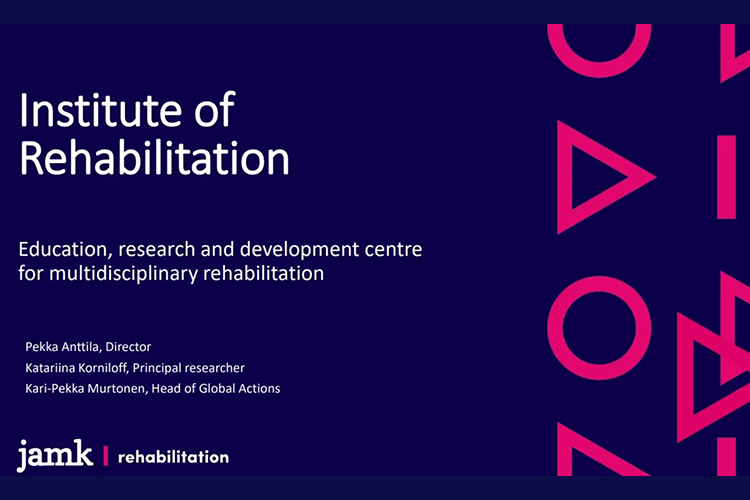
The first online meeting between faculty members of Bohdan Khmelnytsky National University of Cherkasy and the Institute of Rehabilitation at JAMK University of Applied Sciences (Finland), which is a centre for education, development, and research in the field of multidisciplinary rehabilitation and a pioneer of digital rehabilitation across three continents, took place on December 15, 2025.
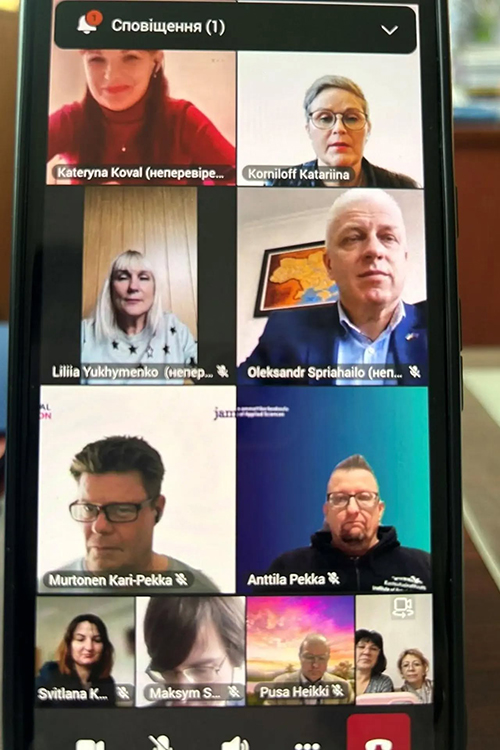
The meeting was organised by Oleksandr Spriahailo, Vice-Rector for Scientific, Innovation, and International Activities, and Katariina Korniloff, Principal Researcher, Doctor of Philosophy at the Institute of Rehabilitation, JAMK University of Applied Sciences. During the meeting, the role of digital technologies in developing new approaches to rehabilitation was discussed. The modern world is undergoing a period of profound social, technological, and humanitarian transformations. The growing number of injuries, chronic diseases, psycho-emotional disorders, as well as the consequences of armed conflicts and emergencies significantly increase the demand for effective rehabilitation for both military personnel and civilians. Traditional rehabilitation approaches, although still important, do not always meet the scale and complexity of today’s challenges.
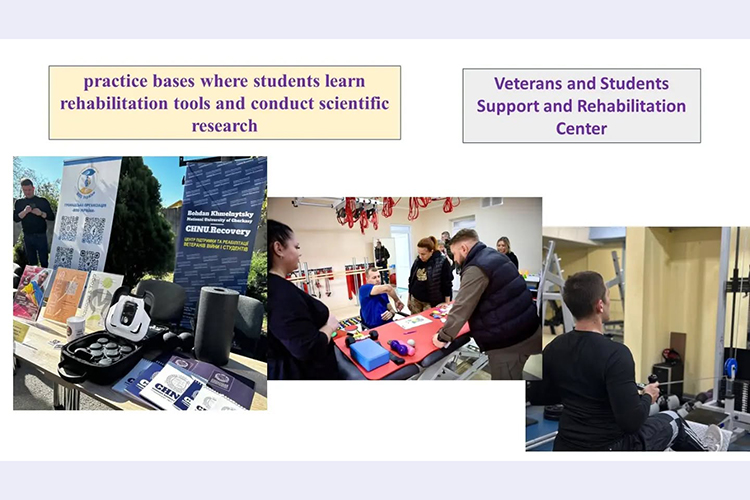
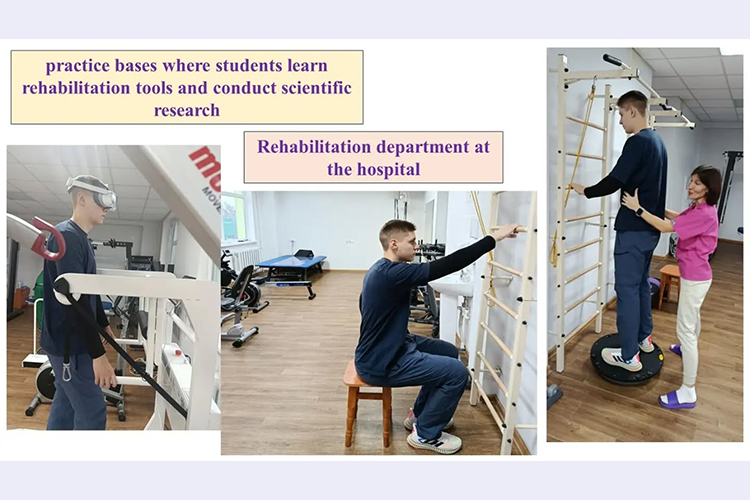
Bohdan Khmelnytsky National University of Cherkasy was represented by Liliia Yukhymenko, Head of the Department of Anatomy, Physiology, and Physical Rehabilitation; Lidiia Iliukha, Professor of the Department; Kateryna Koval, PhD student of the Department; Maksym Dolzhenko, Director of the Centre for Support and Rehabilitation of Veterans and Students; and Yuliia Sidenko, Director of the Mental Health Research and Training Centre. The Rehabilitation Department of the Cherkasy Regional Hospital was represented by Roman Tsyhannyk, physical therapist, part-time lecturer at the Department of Anatomy, Physiology, and Physical Rehabilitation.
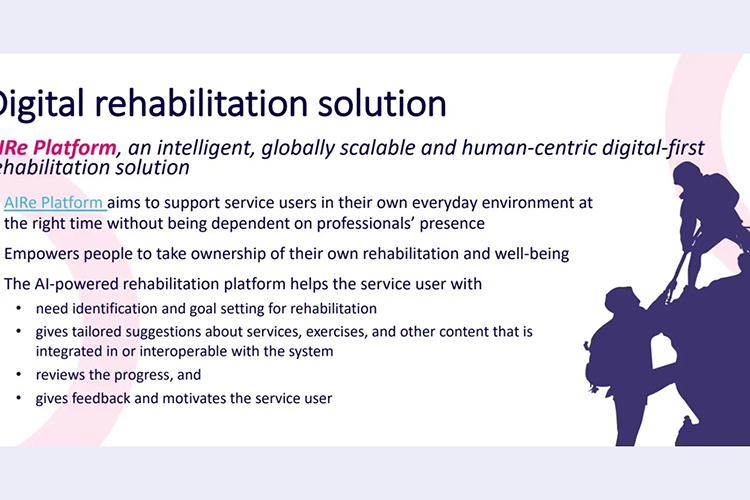
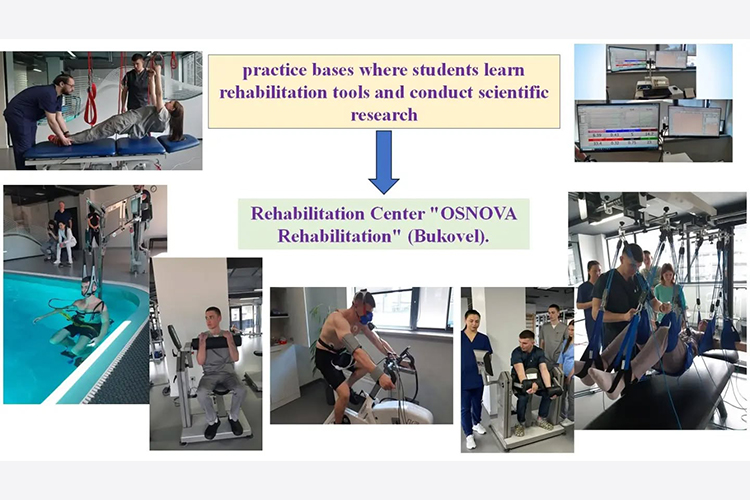
One of the most promising areas of rehabilitation development is digital rehabilitation. It is based on the use of mobile applications, telemedicine platforms, biofeedback systems, virtual and augmented reality, as well as elements of artificial intelligence. The use of digital technologies enables the personalisation of rehabilitation programmes, continuous monitoring of patients’ conditions, and timely adjustment of therapeutic loads.
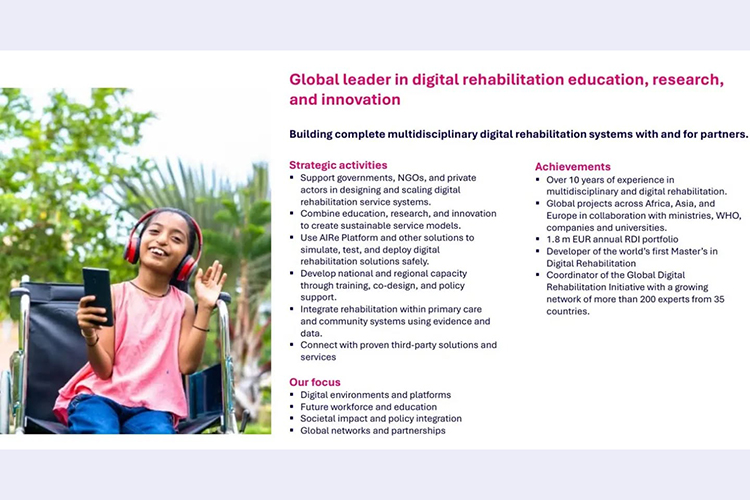
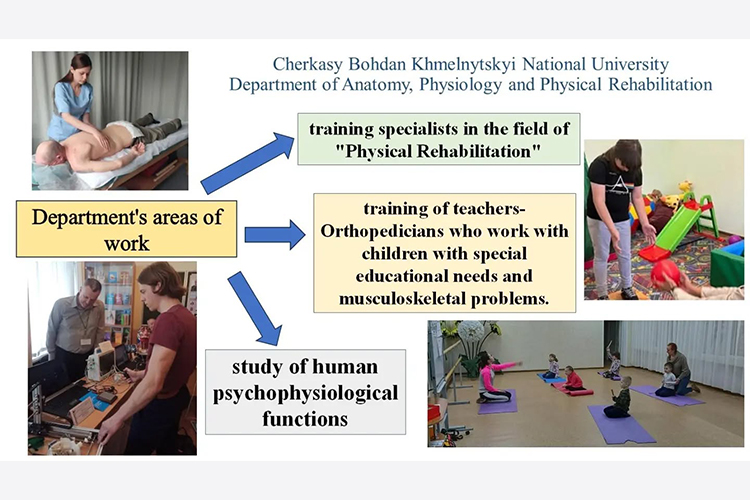
Presentations were delivered outlining the key areas of activity of both institutions and their respective departments. Possible directions for cooperation in the development and scaling of digital rehabilitation service systems were identified.
Both parties expressed strong interest in fostering closer collaboration, as they share the common goal of improving access to rehabilitation through digital innovations.
https://cdu.edu.ua/en/news-en/bohdan-khmelnytsky-national-university-of-cherkasy-researchers-investigated-the-role-of-digital-technologies-in-the-development-of-new-rehabilitation-approaches.html#sigProIda83caf8168
The Department of Anatomy, Physiology, and Physical Rehabilitation


