



Second- and third-year media students from Bohdan Khmelnytsky National University of Cherkasy (BKNUC) have joined FreeMind Ukraine (Student Initiatives Against Information Manipulation), a media literacy project run by the Academy of Ukrainian Press (AUP).
The project is being implemented by the Academy of Ukrainian Press in partnership with the Centre for Media and Digital Literacy at Freie Universität Berlin. Participation in the project involves several stages: a two-day training course, the development of students’ own initiatives, and their implementation at BKNUC by 7 November.
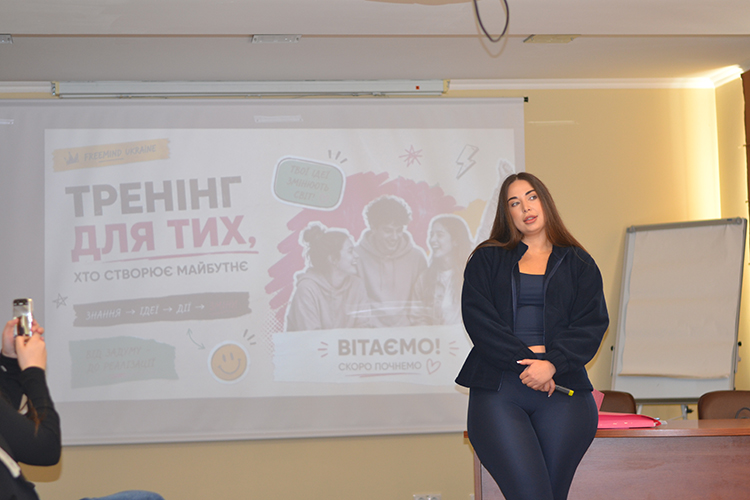
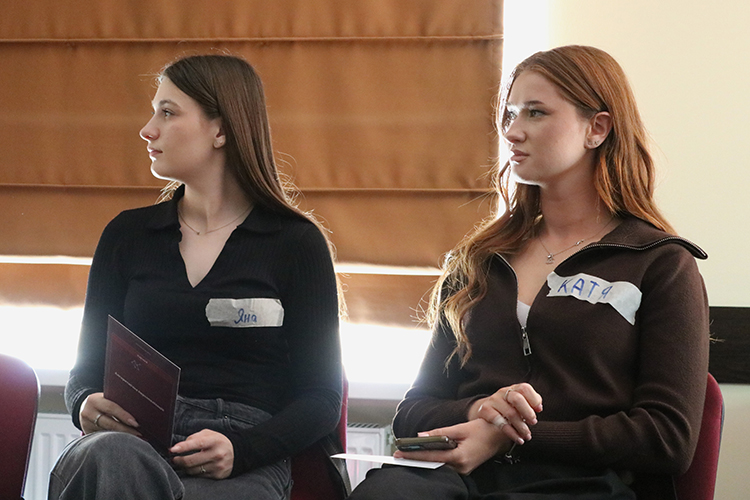
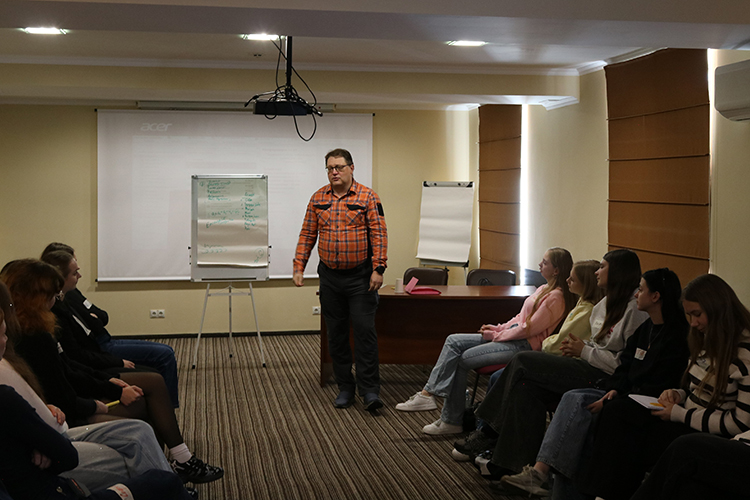
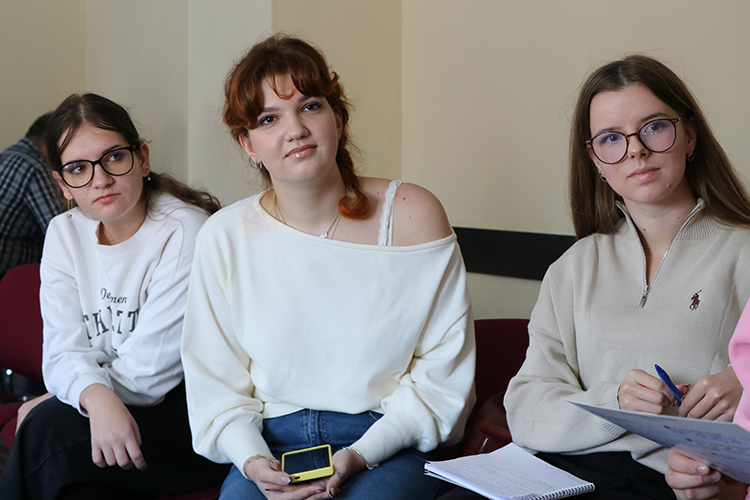
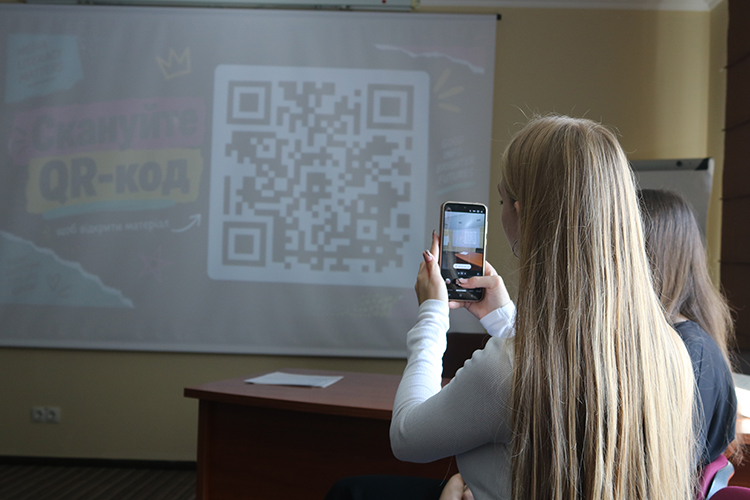
On 6 and 7 October, the students completed the first stage of the intensive programme: a two-day training course for student initiatives entitled “The Invisible Editor: Who Shapes Your Information Reality?”
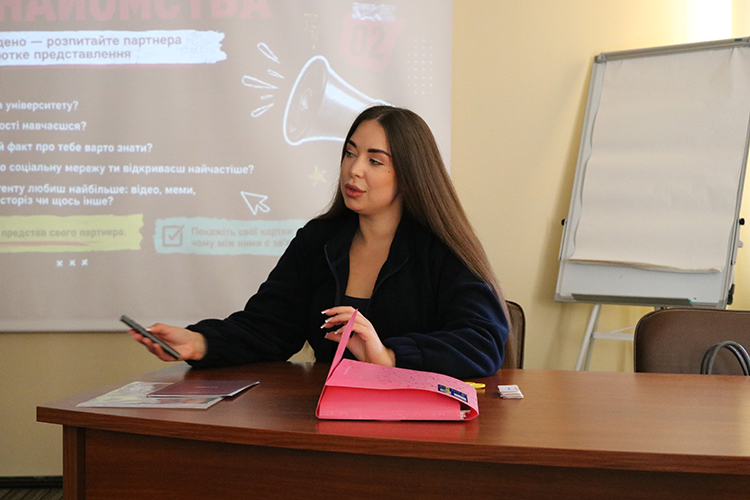
At the beginning of the session, AUP Project Coordinator Yuliia Kulyk introduced the FreeMind Ukraine project and outlined the subsequent stages: training, developing their own initiatives, receiving mentoring support from the project trainers, implementing their initiatives at their respective universities, presenting the completed initiatives to the Ministry of Education and Science of Ukraine, and taking part in a selection process for a trip to Berlin.
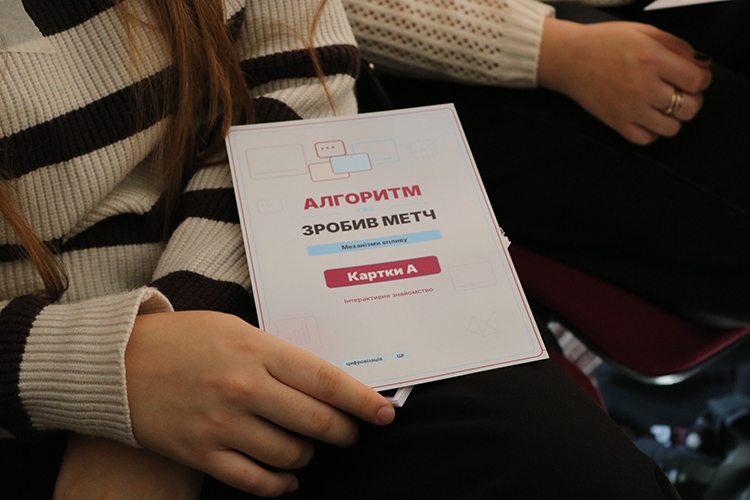
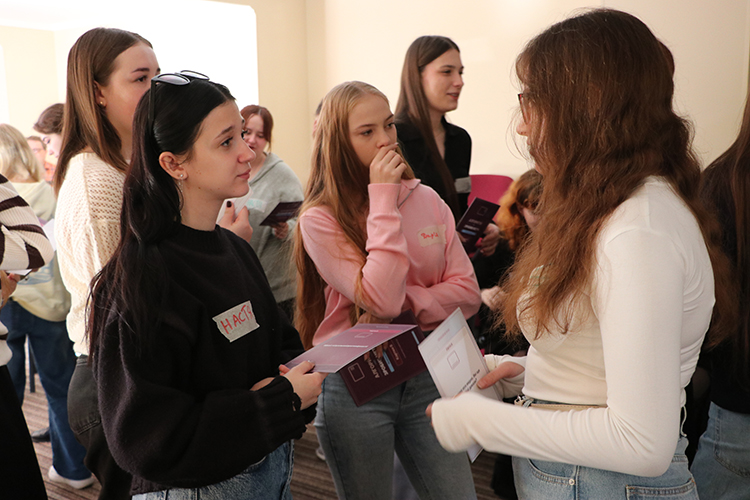
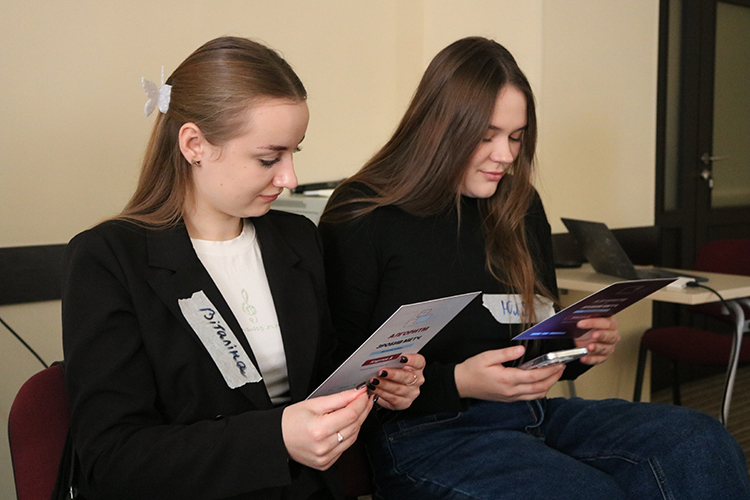
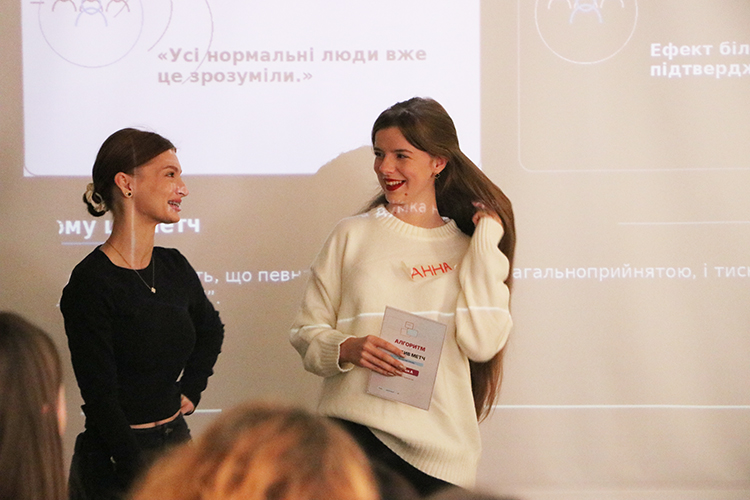
The participants got to know one another through an interactive activity entitled “The Algorithm Has Already Matched You”.
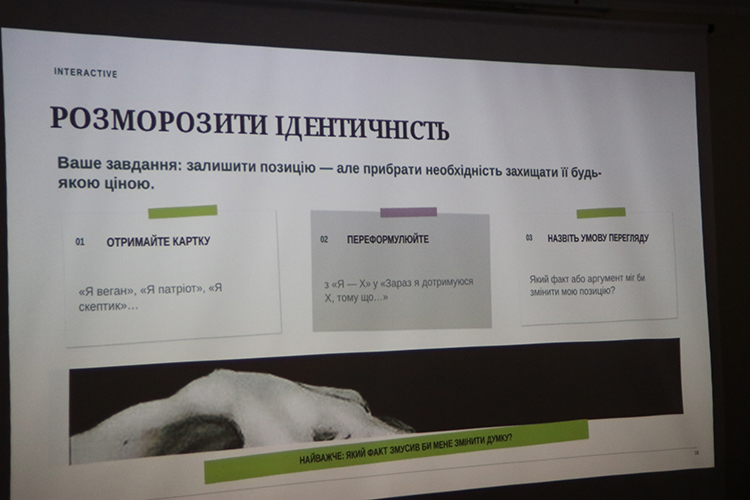
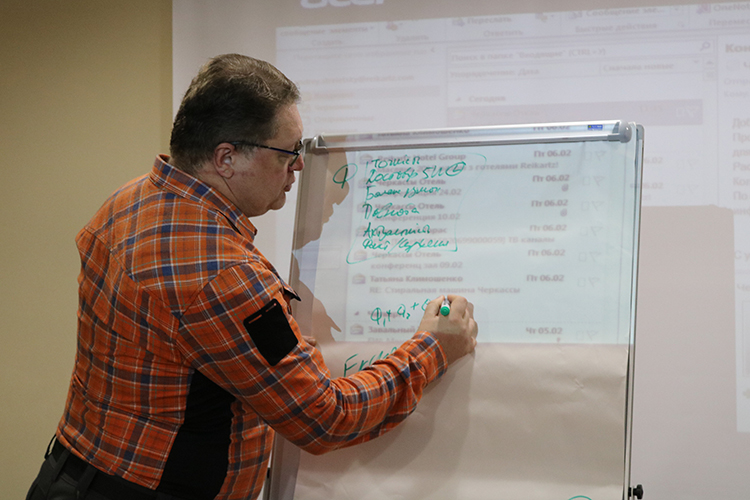
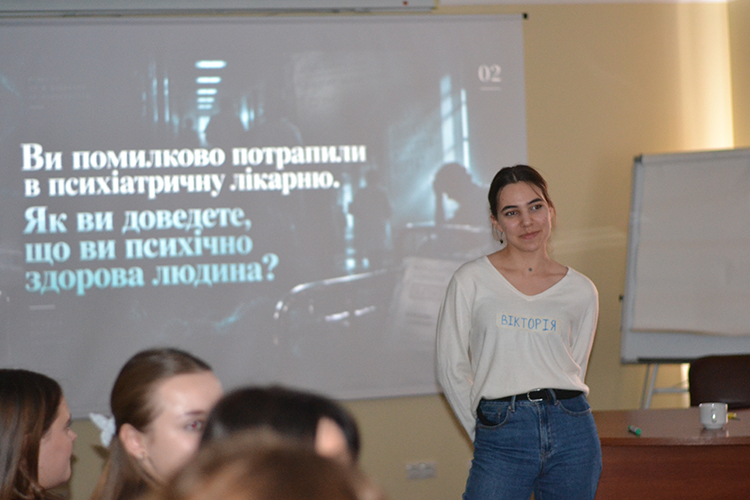
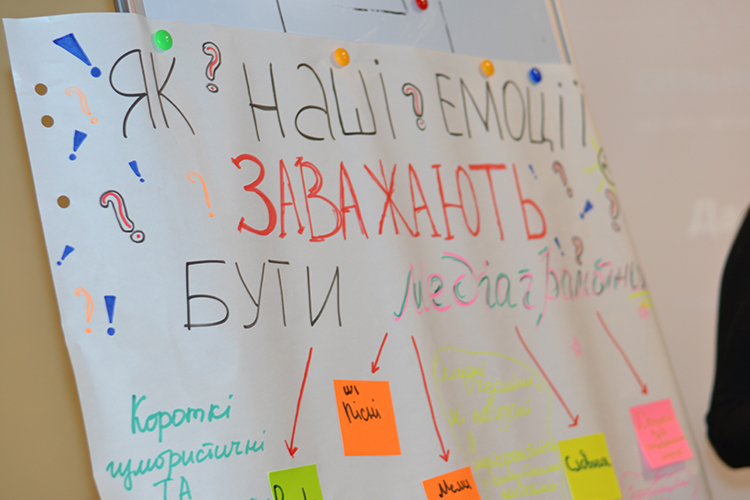
The first day’s training focused on developing critical information literacy, fact-checking, and data analysis. Media trainer Andrii Yurychko conducted a session entitled “Evidence Leaves a Trail: How to Find the Original Source”, during which participants learnt more about fact-checking, working with figures and open data, and drawing well-founded conclusions when evidence is limited. In the session “The Brain on the Hook: Why We Believe What We Want to Hear”, led by Yuliia Kulyk, the aspiring media professionals explored the influence of emotions on the perception of information, examined how content affects decision-making, and learnt approaches to assessing the credibility of different versions of events.
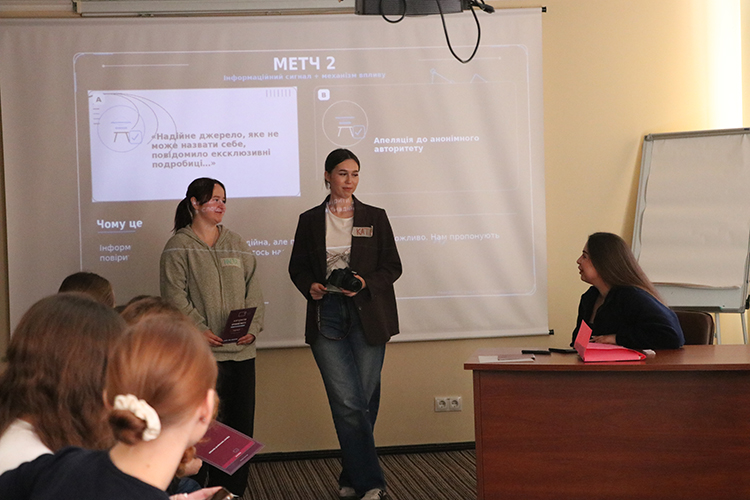
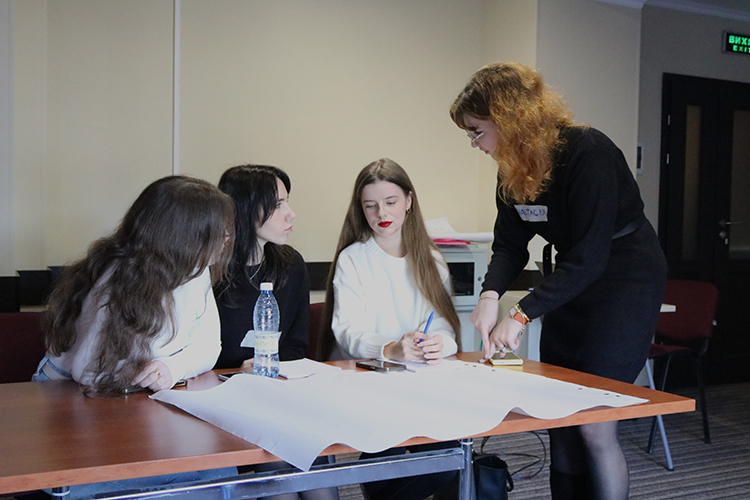
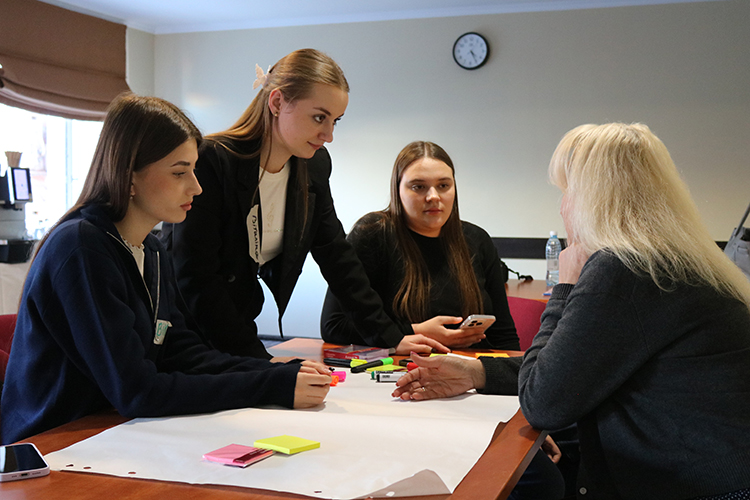
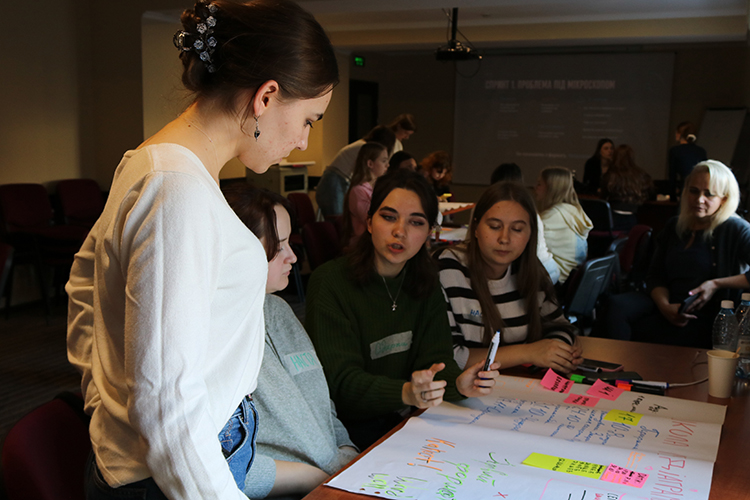
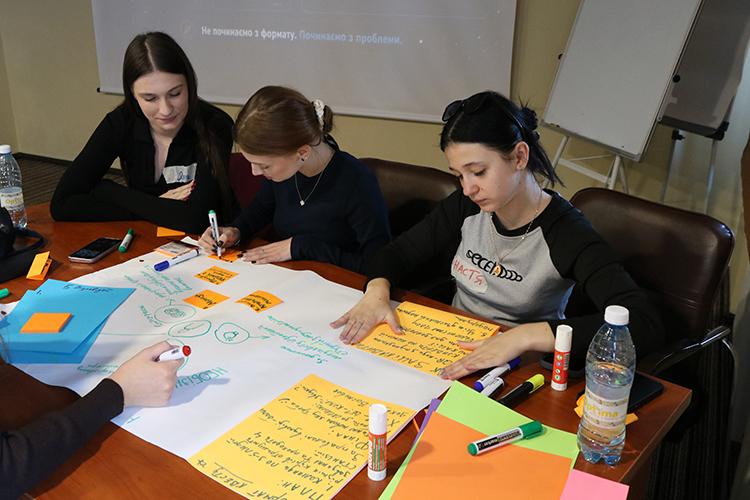
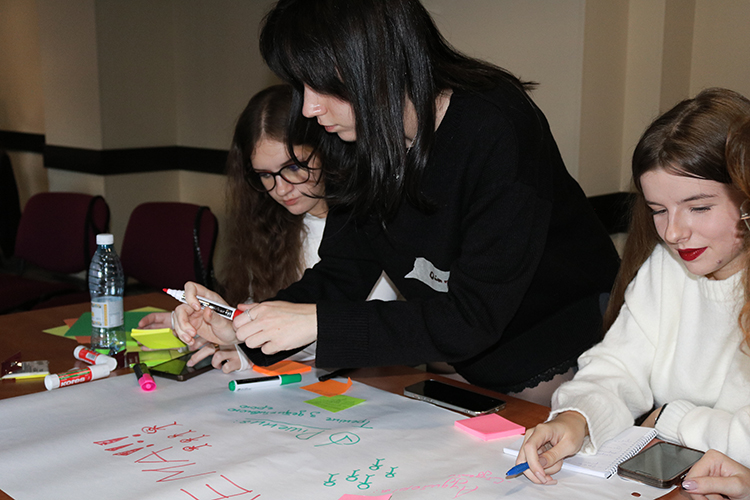
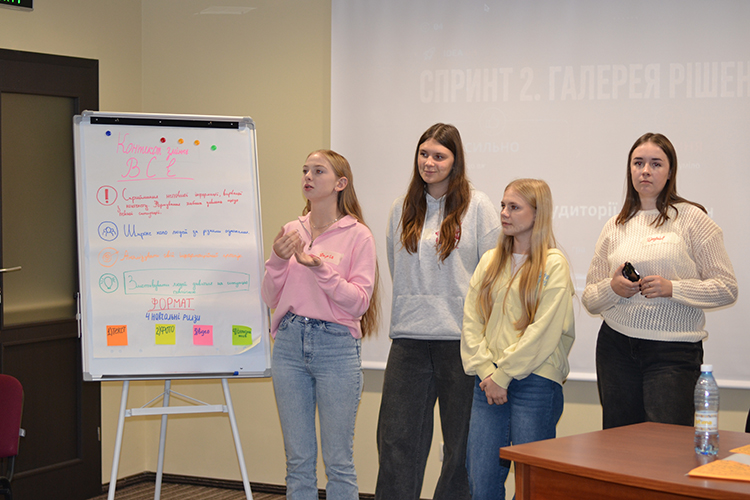
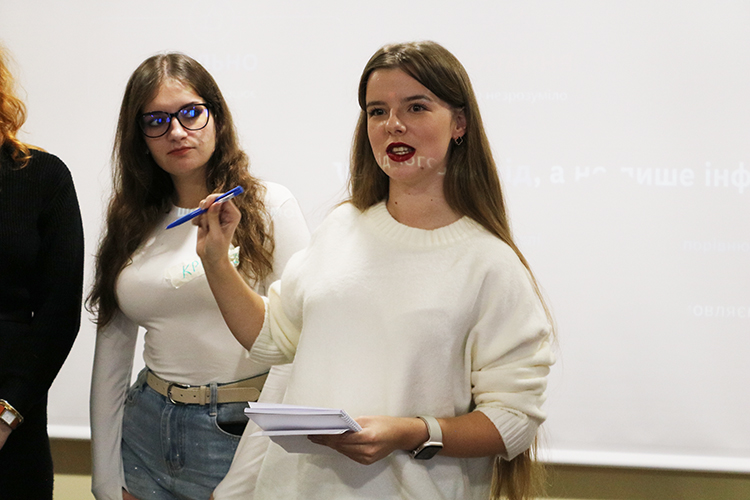
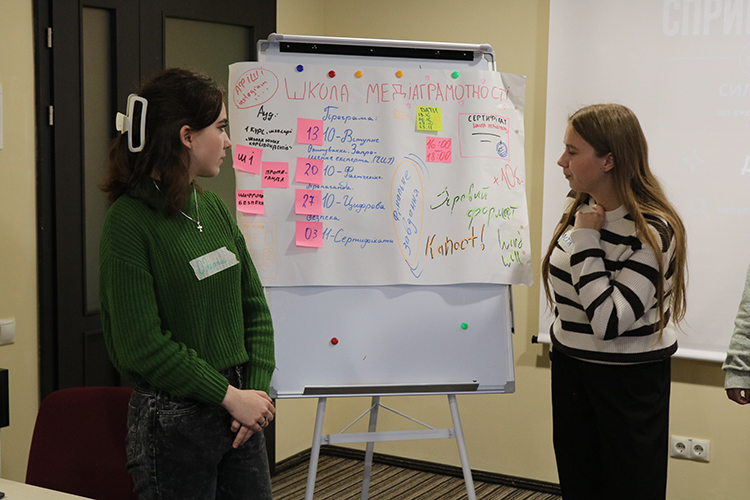
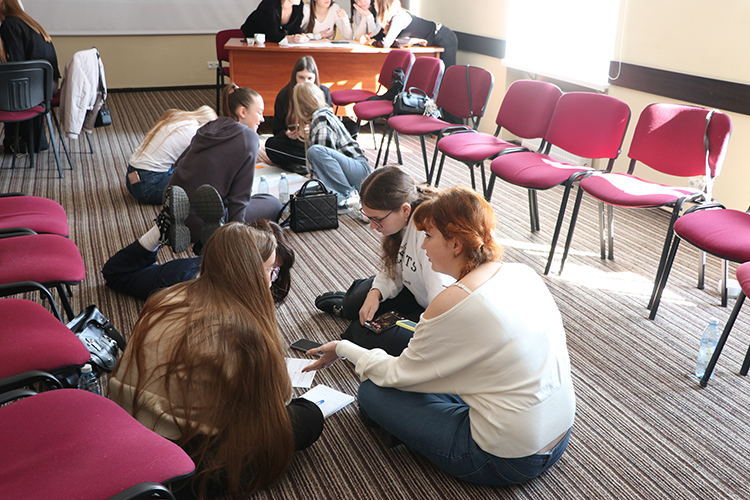
The practical part of the first day consisted of two project sprints, during which participants formed teams, came together around shared ideas, and assigned roles. As part of the project sprint titled “The Problem under the Microscope: Identify, Explain, and Justify”, the teams identified pressing issues, analysed them, and prepared pitches outlining the problem and justifying their proposed solutions. They also determined the format of their initiatives, identified their target audience, and outlined action plans and expected outcomes. During the second project sprint, titled “The Solution Gallery: Stress-Testing an Idea”, students worked with their trainers to test the feasibility of their ideas in practice. Andrii Yurychko and Yuliia Kulyk provided the teams with recommendations and feedback, helping them refine their ideas and bring them closer to implementation.
The second day began with a training session on artificial intelligence, digital security, and the capabilities of modern technologies. Media trainer Andrii Yurychko led a session entitled “Artificial Intelligence: Assistant, Creator or Master of Illusions?”, during which participants explored the influence of information technologies on people, the psychological mechanisms behind manipulation, and ways to protect themselves in the digital environment. Special attention was also paid to the practical application of technology in a session called “Digital Boost: How to Improve Your Project with AI and Technology”, in which participants learnt how AI tools could help them improve their initiatives.
The practical part of the second day continued the team-based work on student initiatives. During the project sprint “Project Blueprint: Turning an Idea into a System”, the teams structured their ideas, identified the key components of their projects, and developed coherent implementation plans. In the project sprint “Targeted Upgrade: Strengthening Every Initiative”, participants reviewed their initial work, identified areas for improvement, and refined their initiatives, preparing them for future implementation.
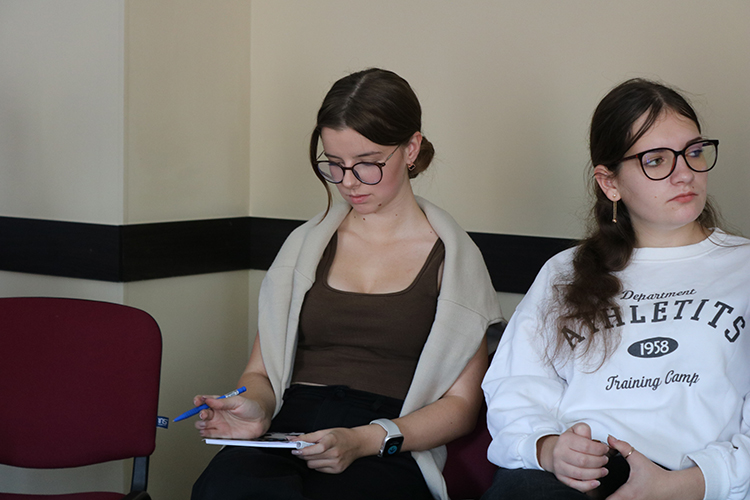
“The training was particularly enjoyable because of its practical approach. We did not just listen to theory; we immediately applied what we had learnt through exercises, project sprints, and interactive activities. The support from the trainers was invaluable: they offered specific advice, helped us look at our ideas from a different perspective, and suggested ways to make them more realistic and effective. Thanks to teamwork and continuous feedback, we not only gained a better understanding of the material but also significantly refined our own initiative,” said Viktoriia Shvaika, a second-year journalism student, reflecting on her experience.
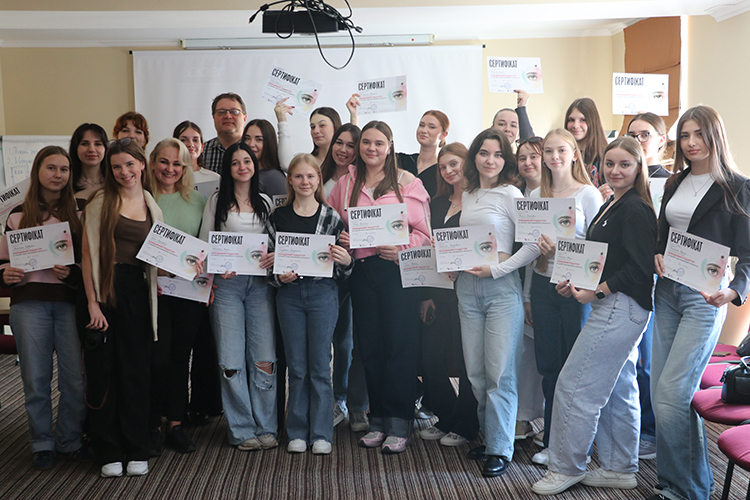
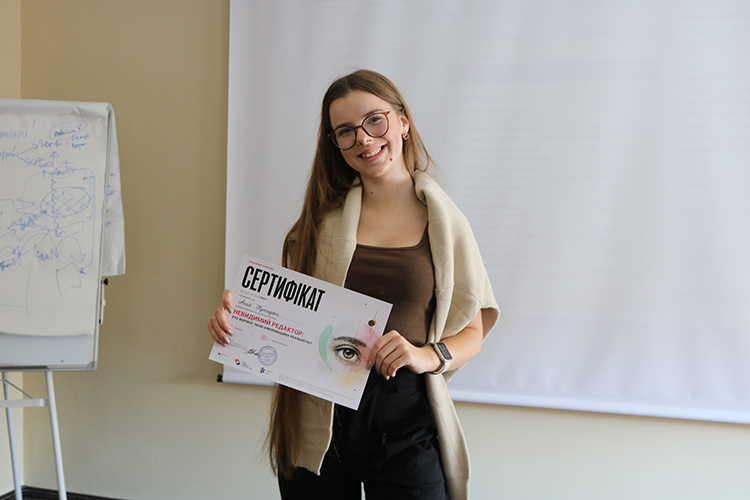
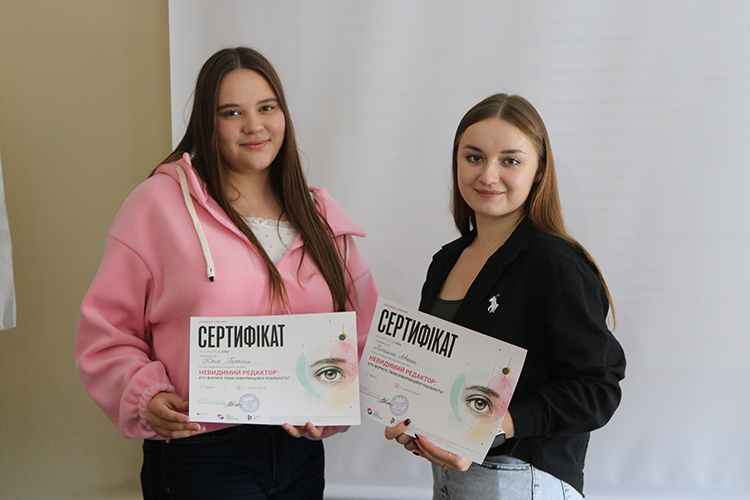
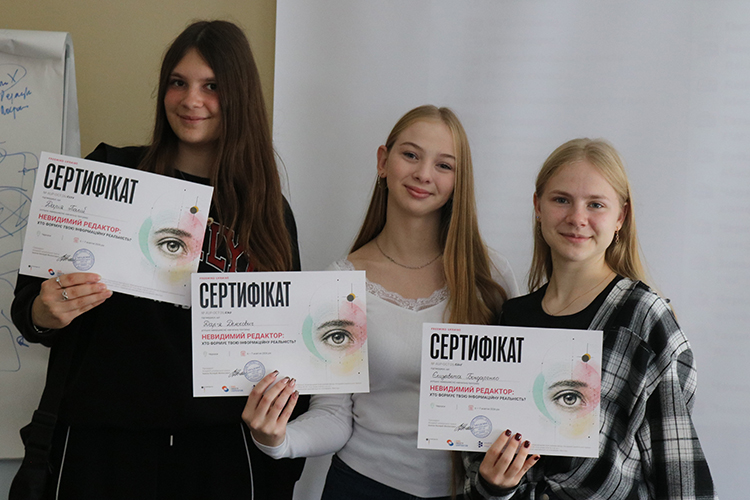
At the end of the training, participants received certificates confirming their successful completion of the training programme “The Invisible Editor: Who Shapes Your Information Reality?” The students will implement their initiatives at Bohdan Khmelnytsky National University of Cherkasy over the next month.

http://cdu.edu.ua/en/news-en/bknuc-media-students-will-implement-their-own-initiatives-through-the-aup-s-freemind-ukraine-project.html#sigProId23aa4caba4
Press Office of the Department of Journalism, Advertising and PR Technologies
Photos by Anna Kuiumdzhy, a third-year journalism student, and Kateryna Zubalii, a second-year PR student


