



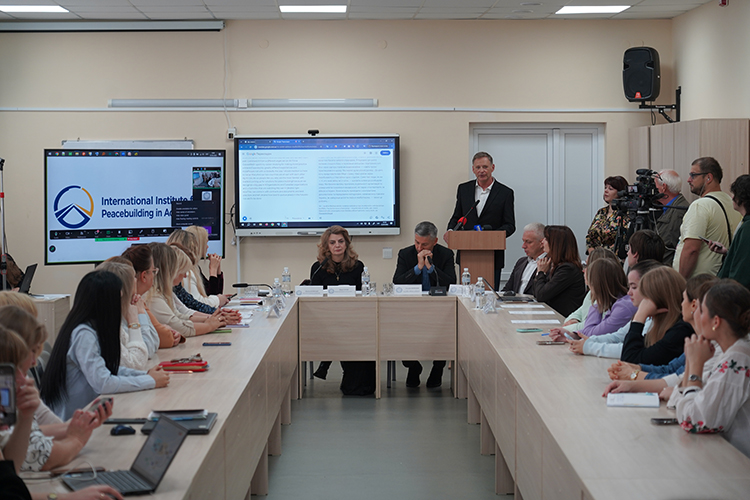
Can peace be built while the war is still ongoing? This was the central question addressed at the International Research and Practice Seminar held at Bohdan Khmelnytsky National University of Cherkasy (BKNUC) on 23 September.
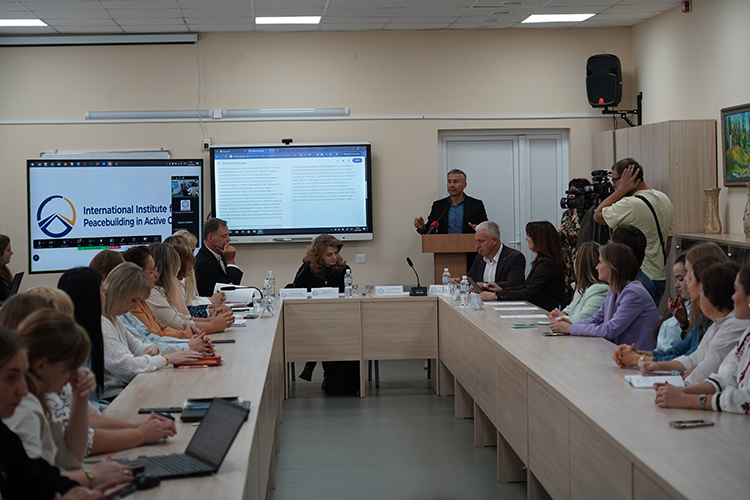
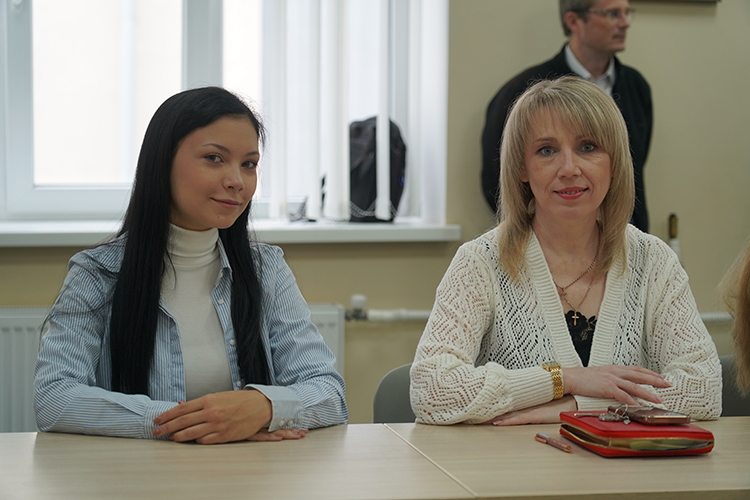
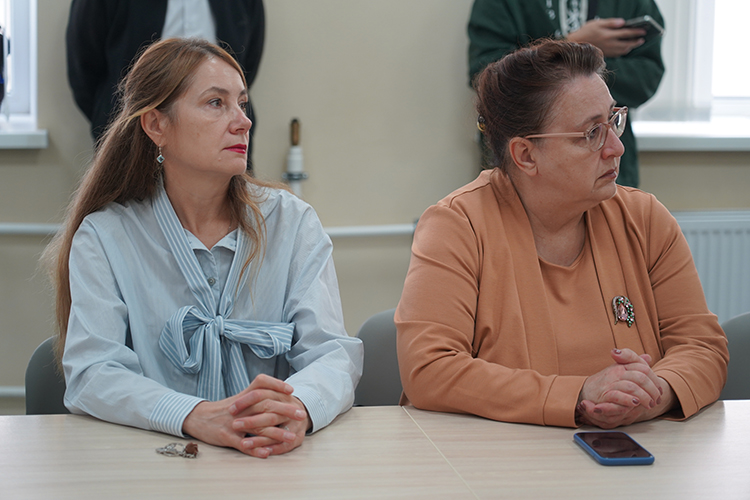
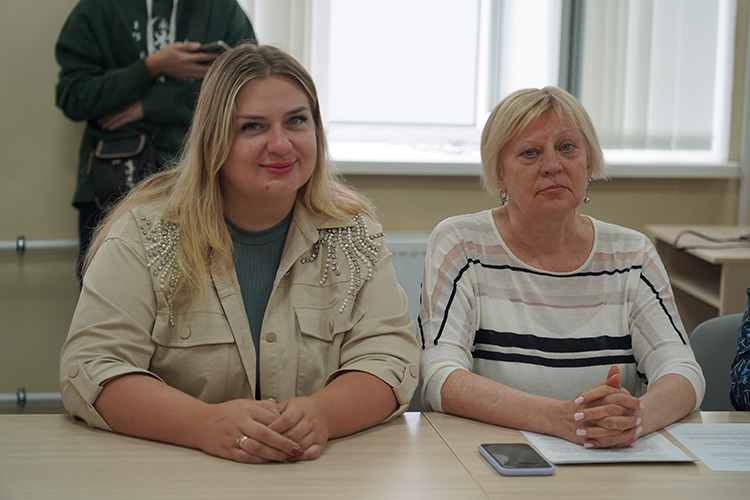
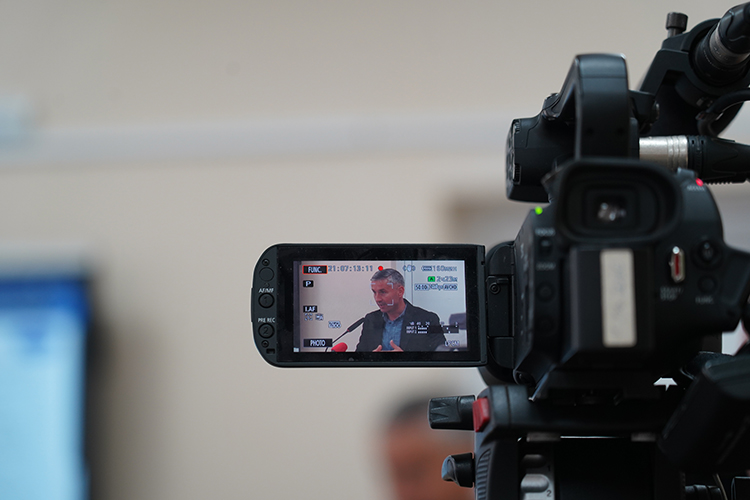
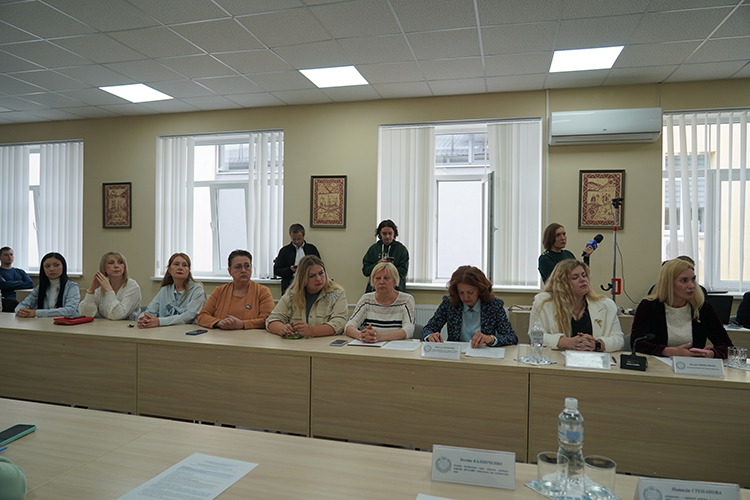
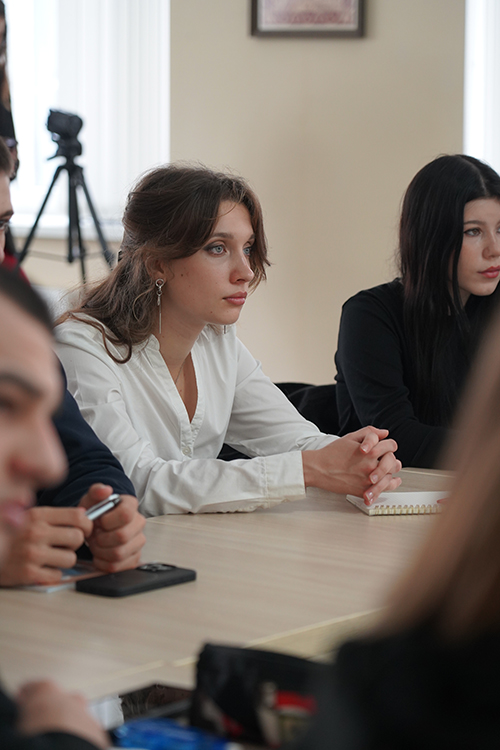
Hosted by the Educational-Scientific Institute of Pedagogical Education, Social Work and Art and the Educational-Scientific Institute of International Relations, History and Philosophy, the seminar brought together the university administration, researchers from the institutes and the wider university community, students from various fields of study, and media representatives.
Peacebuilding is usually discussed once hostilities have come to an end. The seminar organisers proposed a different perspective: society must be rebuilt, people supported, and connections between them strengthened now, without waiting for the “post-war” period. Researchers refer to this specific approach as proxi-temporal peacebuilding.
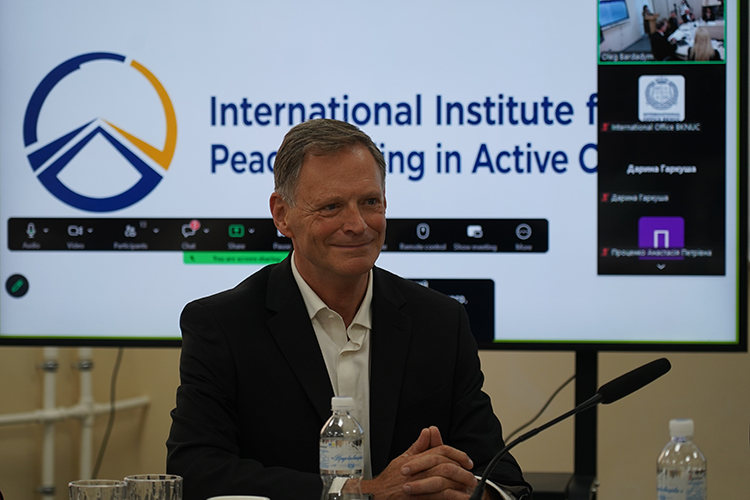
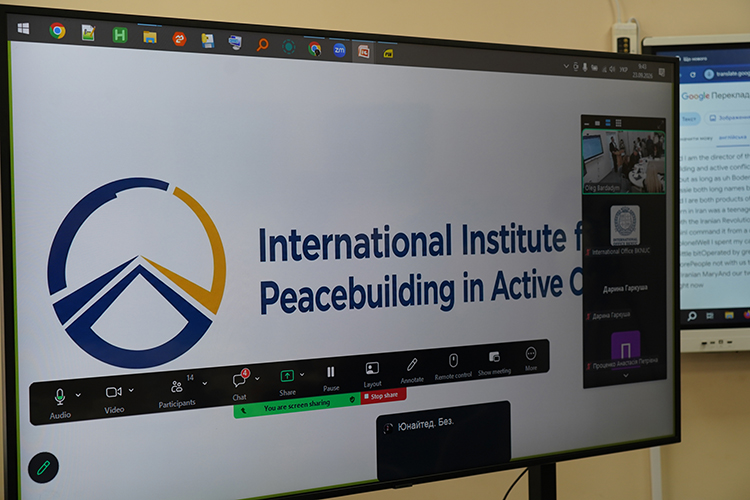
The seminar was organised by BKNUC, the International Institute for Peacebuilding in Active Conflict (IIPAC, USA), and the Rotary Club Cherkasy International. In July, the three institutions signed a Memorandum of Cooperation, and the seminar was one of the first outcomes of this partnership. Dr. Mehri Hilton, President and Founder of IIPAC and a member of Rotary Club Ukraine Unity, and James Clapsaddle, a member of the Rotary Club of San Antonio (Texas, USA), Honorary Member of Rotary Club Ukraine Unity, and Co-Founder and Executive Director of IIPAC, travelled to Cherkasy to share their research and professional expertise.
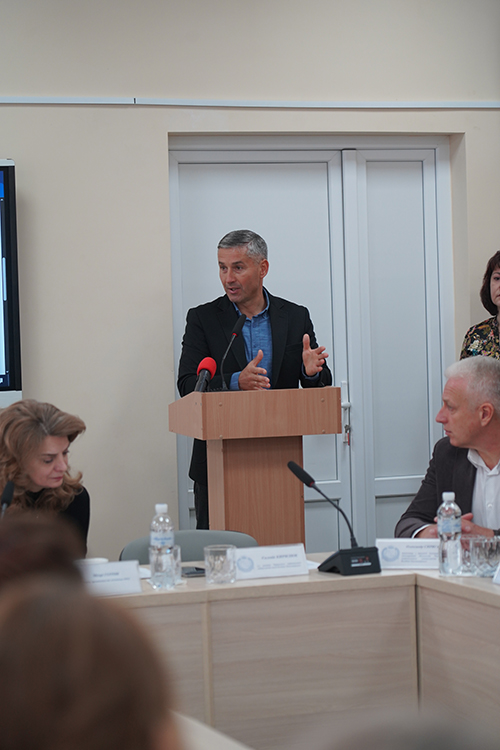
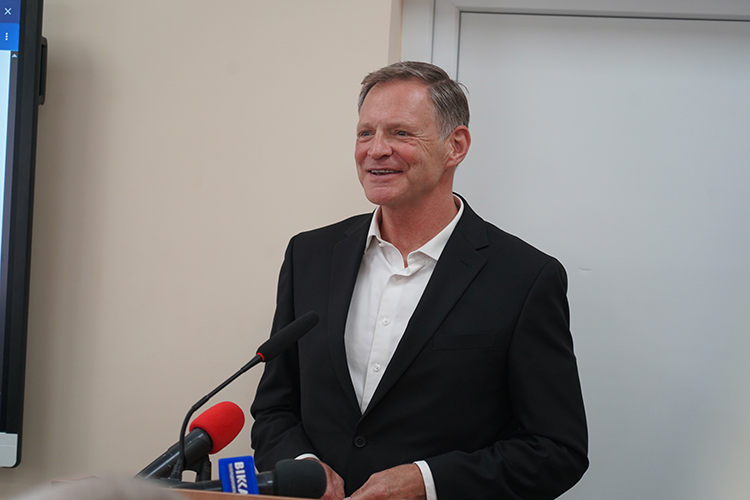
For Ukraine, this topic is far from being merely theoretical. Welcoming the participants, Acting Rector of BKNUC Yevhenii Kyryliuk noted that Ukrainians have been living amid both peace and war since 2014. He shared memories from his own military service:
“After returning from a combat zone to Sumy, which was effectively a frontline city, I saw drones flying nearby and heard explosions, while at the same time mothers were walking along the riverside with their children. The children were smiling. That is our strength. We are strong because we keep moving forward: teaching, conducting research, building. And we do all this for peace and the future of our country.”
According to Yevhenii Kyryliuk, throughout history, peace has been grounded in a strong and united nation. That is why the university is already working on initiatives that help the country withstand the challenges of war and will serve as a pillar for peaceful life in the future: supporting the military, promoting safety, advancing education and research, and fostering the psychological well-being of students and staff. BKNUC houses the Mental Health Research and Training Centre and the Educational-Scientific Centre of Support and Rehabilitation of War Veterans and Students. “Millions of people are currently serving at the front. The way we welcome them home and help them return to a peaceful life will determine the nature of peace in our country. We must prepare for this right now,” the Acting Rector emphasised. If these issues are not addressed, he added, peace will not be sustainable.
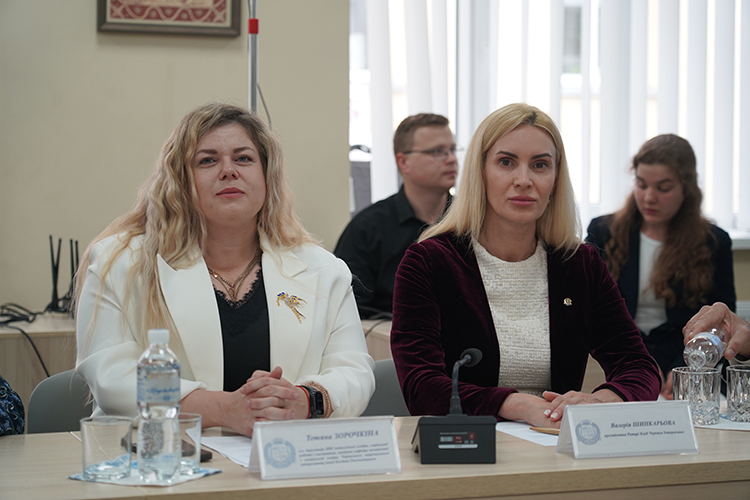
Valeriia Shynkariova, President of the Rotary Club Cherkasy International and a lecturer at the Educational-Scientific Institute of Pedagogical Education, Social Work and Art, explained that the idea for the seminar emerged during a meeting between Rotarians and guests from the USA. She herself coordinates a psychological support project for children in frontline regions and therefore knows first-hand how important it is to talk about peace today. “Protecting people living in wartime conditions, including internally displaced people and military personnel, is a top priority. We need to talk about conflict resolution not after the war, but here and now,” she emphasised. According to her, the initiative is already extending beyond Cherkasy and reaching communities across Ukraine.
The seminar’s keynote speaker was Dr. Mehri Hilton, Founder of IIPAC, who has spent years researching conflicts and ways of addressing them. She explained that during wartime, a university becomes much more than just a place of learning. It is a community that helps people stay connected, maintain a sense of normality, find support, and retain a sense of the future. As long as teaching and research continue, society does not lose the connection between the past and the future. The speaker also stressed that researchers studying war must work with particular care to avoid causing additional harm to people who have endured traumatic experiences.
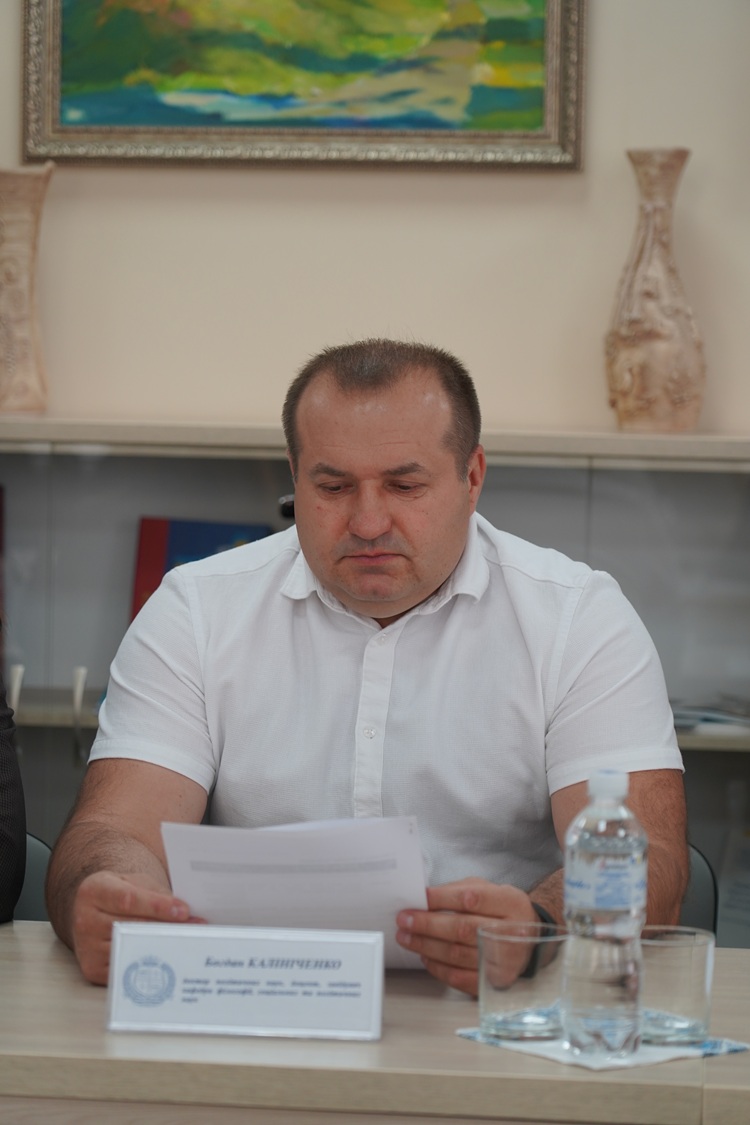
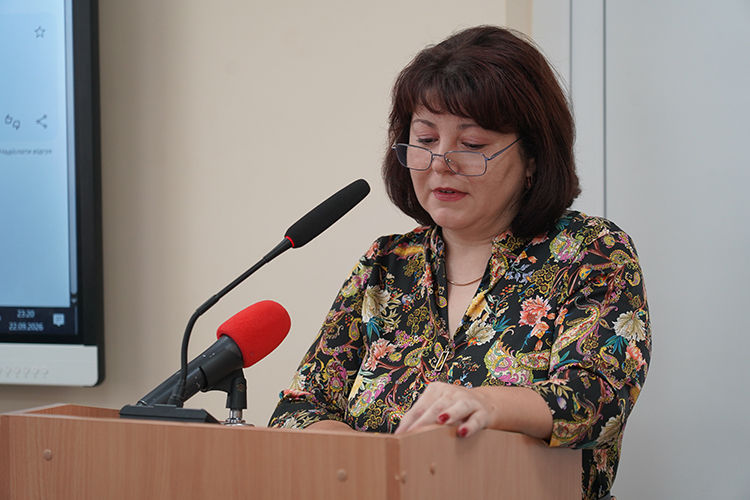
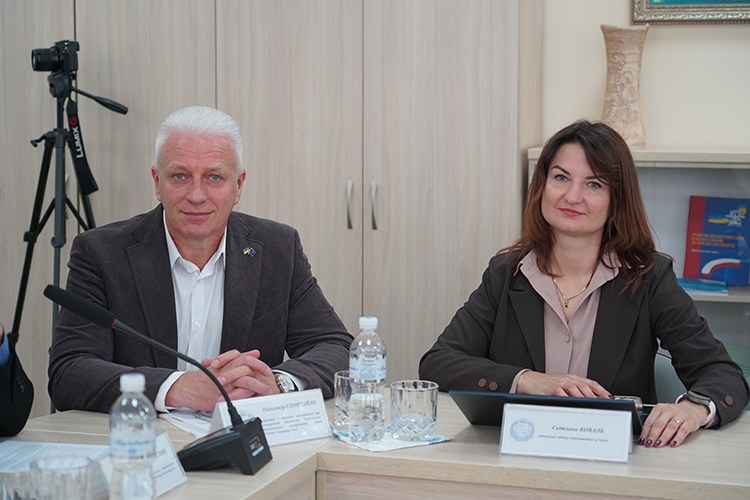
The seminar continued with a panel discussion entitled “The Role of Education in Wartime”, featuring Vice-Rector Oleksandr Spriahailo, BKNUC researchers Tetiana Zorochkina, Nataliia Zemziulina, Bohdan Kalinichenko, Nataliia Stepanova, and Olena Kolomiiets, and IIPAC Co-Founder James Clapsaddle. University lecturers and students also took part in the discussion.
The participants agreed that by preserving education and research during the war, the university contributes to the country’s resilience and lays the foundations for future peace. The collaboration among BKNUC, IIPAC, and the Rotary Club Cherkasy International will continue.
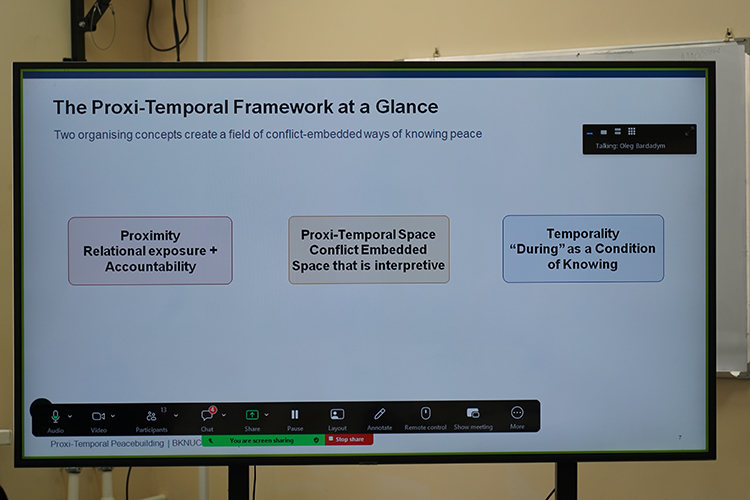
“Ukraine’s academic community has developed such a substantial body of research on war, knowledge production, university resilience, and peacebuilding that Ukrainian experience provides an opportunity to test, refine, and even theoretically reconsider the research model proposed by Dr. Mehri Hilton – the Proxi-Temporal Framework,” concluded Nataliia Zemziulina, Professor at the Educational-Scientific Institute of International Relations, History and Philosophy.
https://cdu.edu.ua/en/news-en/the-university-as-a-pillar-of-resilience-peace-discussed-at-bknuc.html#sigProId84811e6d81
The seminar was also covered in an article in Nova Doba.
Press Office of Bohdan Khmelnytsky National University of Cherkasy


